Evidence-Based
Social Skills Curriculum
 Video modeling with real peers
 Ready-to-use curriculum
 Pre-K through Transition
Free Trial
Everything You Need to Teach Social Skills
What’s Included:



Helping Learners Build Social Skills Since 2005
More than 30,000 educators, therapists, and families have used Model Me Kids







All Tiers
Scalable for Tier 1, Tier 2, and Tier 3 implementation.
Evidence-Based
Research-based curriculum using video modeling.
CASEL Aligned
Aligns with the five CASEL competencies.
FERPA-Friendly
Model Me Kids does not collect or store student data.
Implementation Support
Includes live onboarding and professional development.
Real Peers
Authentic peer models—not AI or animation
The Research Behind Model Me Kids

A Cleveland Clinic study found improvements in social competence and reductions in antisocial behavior among children and youth ages 5–18 who used the Model Me Kids® social skills curriculum.
Learn About the Research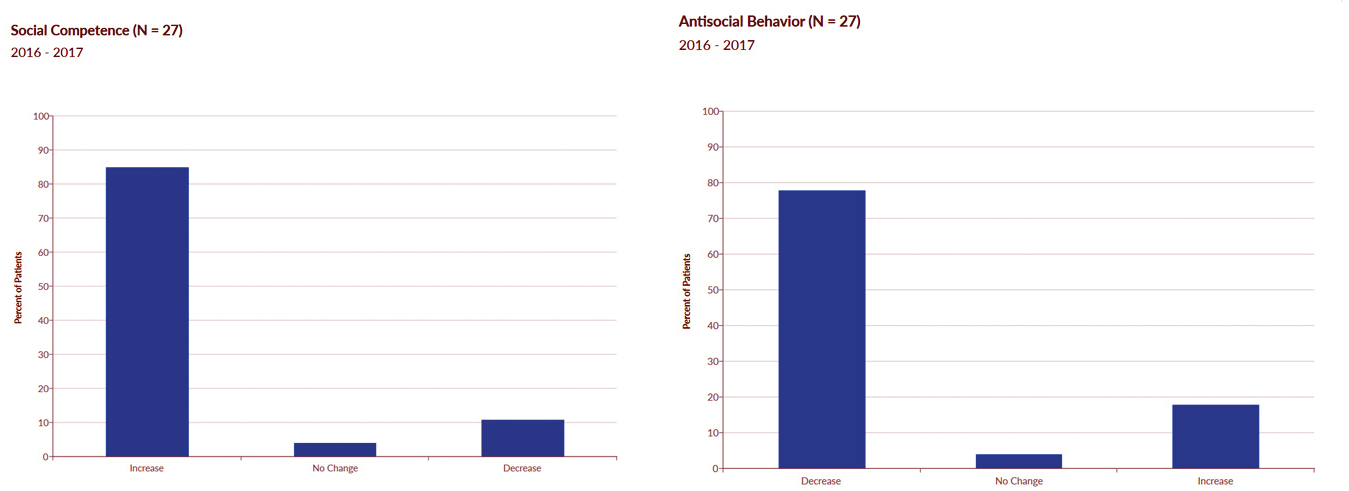
What Our Customers Say
“The videos are great not only because the skills are modeled by peers, but also because the skills are broken down step by step…”

Lara Blanchard
M.A., BCBA of MAAP Services
“I cannot recommend the Model Me Kids social skills curriculum highly enough…We will be Model Me Kids fans for life!”
Kate
Parent
“I just wanted to let you know that we really love the videos! We have a pediatric private practice and our SLP staff is thrilled with them..”
Patti Hamaguchi
Hamaguchi & Associates Pediatric Speech-Language Pathologists, Inc.
“Your videos are great! Our daughter LOVES them and has learned so much from these! We make them mandatory viewing for our home ABA therapy team.”
Karen Hofferber
Texas
“Thank you to Jeffrey, age 10, for sending us his school report on our “Time for School” video. Read Jeffrey’s report.”
Jeffrey
Student with Autism
“The lesson plans are wonderful. My students are learning without even knowing it! I would recommend this as a valuable tool for anyone working with students with Autism.”
Candice Clark
Special Education Teacher
“I know my students will be able to relate to these lessons more because students their age are teaching them, not adults. The format is great–simple, colorful and creative, but not too distracting. I can tell that someone who understands the unique social needs of Autism created these lessons.”
Joanie Brown
Olive Grove Charter School